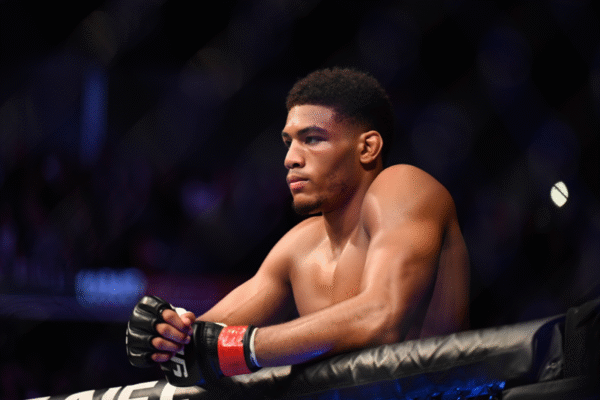
In the realm of mixed martial arts (MMA), the journey from novice to elite fighter is more than a series of technical drills or physical conditioning. It’s fundamentally shaped by an underlying fight culture—a set of values, community, and mental frameworks that forge resilient, confident champions. While exceptional coaching is vital, it’s the fight culture itself that transforms raw potential into true mastery, fostering attributes like resilience, leadership, and mental fortitude.
This article explores why fight culture—based on challenge, growth, and shared experience—plays a pivotal role in developing not just skilled fighters but true champions who thrive both inside and outside the cage.
Fight Culture vs. Coaching: Understanding the Difference
While coaches are essential for technical instruction and strategic planning, fight culture goes beyond tactics. It’s about instilling a collective mindset that emphasizes perseverance, accountability, and mental toughness.
| Aspect | Coaching | Fight Culture |
| Focus | Technique, strategy | Resilience, leadership, mental conditioning |
| Interaction | One-on-one or team-based instruction | Community, shared values, collective growth |
| Impact | Skill development | Character building, high-level mindset |
| Duration | Short-term or session-based | Long-term transformation |
Effective fight culture amplifies the impact of coaching, creating a resilient environment where athletes develop the mental and emotional skills necessary to overcome setbacks, adapt under pressure, and continuously grow.
How Fight Culture Cultivates True Champions
1. Building Mental Resilience Through Challenge
In fight culture, adversity is seen as an opportunity for growth. Fighters are encouraged to embrace hardships—whether in training, competition, or personal battles—as stepping stones rather than obstacles. This resilience becomes ingrained, enabling athletes to perform under pressure and recover swiftly from failures.
2. Instilling Leadership and Accountability
Within a vibrant fight culture, athletes learn to lead themselves and their peers. This leadership isn’t just about assertiveness in the cage but also about accountability—showing up, pushing limits, and supporting teammates through rigorous training environments. Such traits are critical for evolving from talented fighters into legendary champions.
3. Fostering a Growth Mindset
Champions view setbacks as opportunities to learn rather than fixed barriers. Fight culture promotes continuous growth, encouraging athletes to study their mistakes, hone their discipline, and adopt a mindset that values progress over perfection. This mindset is essential for sustained success at the highest levels.
4. Encouraging Shared Values and Collective Identity
A strong fight culture creates a sense of belonging and shared purpose. When athletes identify with a community that values perseverance, integrity, and dedication, they are more motivated to push through hardships and achieve excellence.
The Transformation From Potential to Mastery
Potential alone isn’t enough in elite MMA; it requires a supportive environment that nurtures growth. Fight culture acts as this environment by:
- Creating rituals and traditions that reinforce core values
- Offering mentorship and peer support systems
- Promoting mental conditioning techniques like visualization, mindfulness, and psychological resilience exercises
- Encouraging athletes to push beyond perceived limits, developing grit and tenacity
The Psychological Frameworks Behind Fight Culture
In elite combat sports, psychological strength often separates good fighters from legends. Fight culture embeds key frameworks:
- Growth mindset: Embracing effort and learning
- Flow state induction: Achieving peak performance through mental focus
- Acceptance of adversity: Viewing setbacks as part of growth
- Self-efficacy: Cultivating confidence through shared success stories
These principles are woven into daily routines, training environments, and team dynamics, creating a foundation where athletes can thrive at the highest levels.
Why Athletes Thrive in Fight Culture, Not Just Under Coaches
While coaches provide guidance, fight culture empowers athletes to take ownership of their development. This sense of autonomy fosters intrinsic motivation, making athletes more committed, disciplined, and innovative in their approach. As a result, fighters trained within a strong fight culture tend to:
- Exhibit greater resilience during high-stakes fights
- Demonstrate leadership on and off the mat
- Sustain long-term careers through psychological durability
- Inspire younger generations through their example
In MMA and combat sports, success extends far beyond technical skills. It’s rooted in a fight culture that challenges, molds, and elevates athletes into true champions. By fostering resilience, leadership, and a growth-oriented mindset, fight culture transforms raw potential into sustained excellence.
Are you ready to embrace a fight culture that turns potential into champions? Whether you’re a fighter, coach, or analyst, the key to high-level success lies in cultivating an environment that inspires growth from within. Dive deep into this philosophy, and watch your team or career reach new heights.
Call to Action
Join the Fight Culture Movement — Elevate Your Game Today
- For Fighters: Develop the resilience and leadership necessary for championship greatness.
- For Coaches: Build a team environment rooted in shared values that accelerate growth.
- For Analysts & Enthusiasts: Understand the psychological foundations that make champions.
Contact us now to learn how to craft a powerful fight culture that transforms potential into legendary success.
Frequently Asked Questions (FAQs)
How does fight culture differ from traditional training?
Traditional training often focuses on skill acquisition and physical conditioning. Fight culture emphasizes mental strength, resilience, community, and leadership—all essential components for turning skills into championships.
Can fight culture be developed, or is it instinctual?
While some aspects may be intuitive, fight culture is primarily cultivated through shared experiences, routines, and leadership. It can be intentionally developed in any training environment committed to growth.
What are practical steps to foster a strong fight culture?
- Establish core values and rituals
- Promote peer mentorship and accountability
- Incorporate mental conditioning practices
- Celebrate collective successes and learn from setbacks
Why isn’t coaching alone enough to develop champion athletes?
Coaching provides technical expertise, but without the environment of fight culture—resilience, leadership, shared purpose—the athlete may plateau or struggle to perform under pressure. Cultivating a strong fight culture ensures sustained growth and high performance.
By understanding and embracing fight culture, you set the foundation for relentless growth, unwavering resilience, and true championship success.