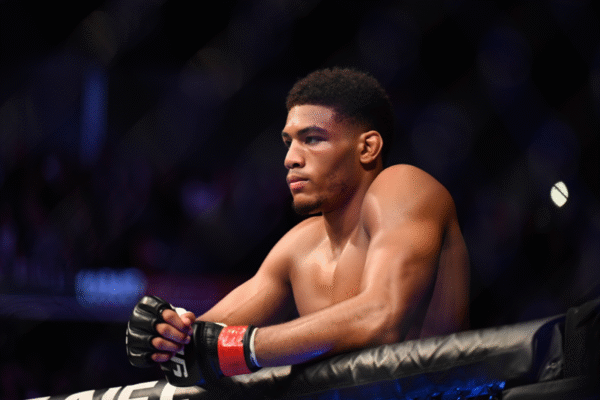
In the high-stakes world of mixed martial arts (MMA), controlling your opponent’s decisions can be the difference between victory and defeat. One of the most underrated yet powerful tools in a fighter’s arsenal is the art of feinting. Properly executed, feints can deceive, disarm, and manipulate your opponent, opening up vital opportunities for strikes, takedowns, or control positions. At CombatRift, we explore advanced striking mechanics, grappling systems, and mental frameworks—equipping fighters and coaches alike with the insights needed to dominate inside the cage. Today, we delve into how to use feints effectively to influence opponent decisions and elevate your game strategy effortlessly.
Why Feints Are a Game-Changer in MMA
Feints are strategic deception movements designed to make your opponent react prematurely or incorrectly. They soften defenses, create openings, and establish psychological dominance. When mastered, feints serve as the *catalyst* that shifts the fight’s momentum in your favor.
Key benefits of mastering feints include:
- Disrupting your opponent’s rhythm and timing.
- Forcing defensive reactions that open up attack opportunities.
- Gaining psychological advantages by demonstrating confidence and control.
- Setting up complex combinations and takedown chains.
How to Use Feints Effectively
1. Understand Your Opponent’s Patterns and Reactions
Before incorporating feints into your strategy, study your opponent’s tendencies:
- Do they withdraw or counter when attacked?
- Are they aggressive or passive?
- Do they favor certain moves or reactions?
This analysis allows you to tailor feints that specifically target their behavioral patterns.
2. Incorporate Realistic and Convincing Movements
The effectiveness of a feint hinges on its believability:
- Use credible body language—leaning, shifting weight, or mimicking a punch or kick.
- Maintain proper timing—execute the feint just as the opponent is about to react.
- Vary your feint types to keep your opponent guessing.
3. Use a Range of Feint Types
Different situations demand different feint strategies:
- Hand feints: Fake punches or jabs to draw a reaction.
- Footwork feints: Faking a step or shift to bait a counter.
- Head movement feints: Ducking or slipping to lure attacks.
- Combining feints: Set up a series of deception maneuvers for maximum effect.
4. Create Chain Reactions and Takedown Sets
Feints aren’t just about striking; they can set up takedowns:
- Fake a strike to prompt a defensive guard.
- Follow with a swift takedown attempt.
- Use clinching or ground control to dominate the fight narrative.
5. Psychological Warfare — Maintain Confidence and Steadfastness
A confident demeanor during feinting:
- Deters your opponent from rushing or committing.
- Builds your mental advantage, pushing your opponent into mistake territory.
- Helps you control the tempo and decision-making process.
Expert Tips for Enhancing Your Feinting Skills
| Tip | Explanation |
| Practice in Shadowboxing | Develop smooth, convincing feints without resistance. |
| Drill with a Partner | Simulate real reactions and adapt your feinting accordingly. |
| Record and Analyze | Review footage to refine your timing and effectiveness. |
| Incorporate Breathing Techniques | Maintain composure to execute feints sharp and at the right moments. |
| Study Elite Fighters | Observe fighters like Conor McGregor or Israel Adesanya, masters of psychological feinting. |
Common Questions About Using Feints
How can I make my feints more believable?
Focus on body language, timing, and context. Practice with a partner who offers realistic reactions, and incorporate subtle movements that mimic real strikes.
When should I use feints during a fight?
Use them continually to disrupt your opponent’s rhythm, especially when you notice hesitation or openings. Mix feints into your combos rather than relying solely on them.
Are there common mistakes to avoid?
- Overusing feints, leading to predictability.
- Executing unreal or exaggerated movements.
- Failing to follow up with effective strikes or takedowns after the feint.
Concluding Thoughts
Mastering feints unlocks a new level of strategic depth in MMA. They are tools not just to deceive but to dictate the pace and decisions inside the cage. When combined with well-trained technique, mental resilience, and psychological insight, feints become powerful weapons that can influence your opponent’s every move.
At CombatRift, we believe that understanding and applying these advanced mechanics—like strategic feinting—is essential for fighters seeking to elevate their game. Practice diligently, study your opponents, and execute with confidence. The cage favors those who control the fight’s narrative—start influencing decisions today.
Ready to take your striking and mental game to the next level?
Discover more expert tips and transformative training methodologies at CombatRift. Elevate your MMA mind and mastery now!