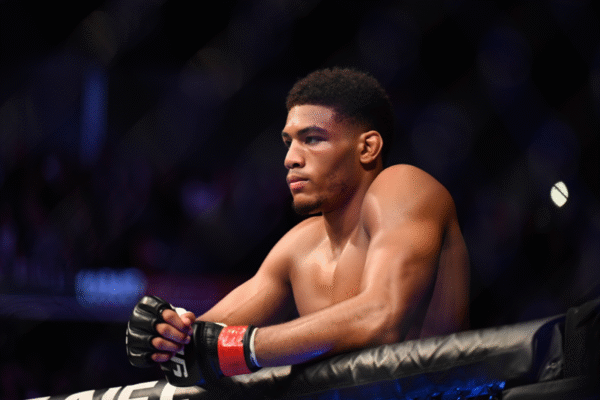
In the high-stakes world of mixed martial arts (MMA), the ability to force reactions and create openings during striking exchanges is a fundamental skill that separates the good fighters from the great. Mastering these techniques allows you to control the pace, manipulate your opponent’s defenses, and set up high-percentage strikes that lead to decisive victories. Whether you’re a fighter, coach, or serious martial arts enthusiast, understanding how to effectively trigger reactions is critical to evolving your striking game.
Understanding the Psychology of Reactions and Openings
Before diving into specific strategies, it’s essential to recognize the psychological mechanics at play.
The Concept of Force and Response
In combat sports, every strike or movement acts as a psychological cue that prompts a response. By inducing predictable reactions, you can create “windows of opportunity” to land clean, powerful strikes. This interaction hinges on elements such as timing, feints, and understanding opponent tendencies.
Why Creating Openings Matters
Creating openings isn’t about brute force; it’s about anticipation and leverage. When an opponent commits to a defensive posture or reacts to a feint, they momentarily relinquish their guard, revealing vulnerable targets.
Practical Strategies to Provoke Reactions
Implementing intentional actions to provoke predictable responses is a core aspect of advanced striking. Here’s how to do it effectively:
1. Use Strategic Feints
Feints are deceptive movements designed to provoke a response without committed action. They force your opponent to reveal their intentions prematurely.
- Example: Fake a jab to the head to draw a guard raise, then attack the body or counter with a cross.
2. Vary Your Rhythm and Timing
Consistency breeds predictability. To force reactions, vary your striking rhythm and tempo.
- Method: Combine quick, explosive strikes with slow, probing jabs. Sudden tempo shifts can unbalance your opponent and create reaction gaps.
3. Establish Range Control
Controlling distance is fundamental. Use footwork and jabs to dictate range, enticing opponents to overextend or close the distance prematurely.
- Tip: Keep a watchful eye on body language indicating impatience or overconfidence, which can be exploited.
4. Attack Off the Break or Recovery
Most fighters momentarily lower their hands during defensive recoveries. Vigilantly observing these moments allows you to capitalize.
- Strategy: Throw a quick strike immediately after you defend an attack, catching them off-guard.
How to Create Openings Through Counterattacks
Once you’ve successfully provoked a reaction, the next step is exploiting the opening.
1. Capitalize on Overextensions
When your opponent reaches or commits forward prematurely, it often exposes their chin or torso.
- Counter: Use straight punches or uppercuts to punish overcommitment.
2. Use Angling and Shadowing
Creating angles off the centerline can open cutting lanes for strikes.
- Technique: Pivot or lateral movement after a reaction to position yourself advantageously.
3. Exploit Commitments with Timing
Timing is everything. Wait for your opponent to commit fully before launching your strikes.
- Example: After a jab is blocked, quickly counter with a cross or hook.
Integration with Modern MMA Tactics
Combining reaction-triggering techniques with elite conditioning, grappling, and cage tactics amplifies effectiveness.
| Technique Type | Application | Benefit |
| Feints | Set up takedowns or strikes | Creates false openings |
| Rhythm Variations | Disrupt opponent’s timing | Induces hesitations |
| Range Control | Maintain control over distance | Opens opportunities for counters |
| Angling | Maximize strike impact | Strengthens defenses while creating openings |
FAQs: Common Questions About Triggering Reactions
Q1: How do I read my opponent’s tendencies to create better reactions?
Answer: Study their patterns—notice how they respond to specific feints or punches. Video analysis and sparring data can help identify predictable behaviors you can exploit.
Q2: How important is timing in creating openings?
Answer: Timing is paramount. Precise timing allows you to strike exactly when your opponent is most vulnerable, often immediately after they react or commit.
Q3: Can these techniques be applied in both MMA and striking-focused sports?
Answer: Absolutely. Techniques to provoke reactions and create openings are universal across striking disciplines like boxing, kickboxing, Muay Thai, and MMA.
Final Thoughts: Elevate Your Striking Game
Mastering the art of triggering reactions and creating openings transforms you from a reactive fighter into a proactive strategist. By employing tactical feints, controlling rhythm and range, and capitalizing on your opponent’s commitments, you position yourself for cleaner, more effective strikes.
Begin integrating these strategies in your training today—and watch as your striking efficiency and fight IQ soar. Remember, every movement is a psychological cue for your opponent. Make your strikes tell a story of unbreakable timing, calculated deception, and relentless precision.
Ready to take your striking to the next level? Sign up for our exclusive training modules at CombatRift, where we decode the latest MMA trends, cage tactics, and mental frameworks to turn technique into mastery and mindset into victory.