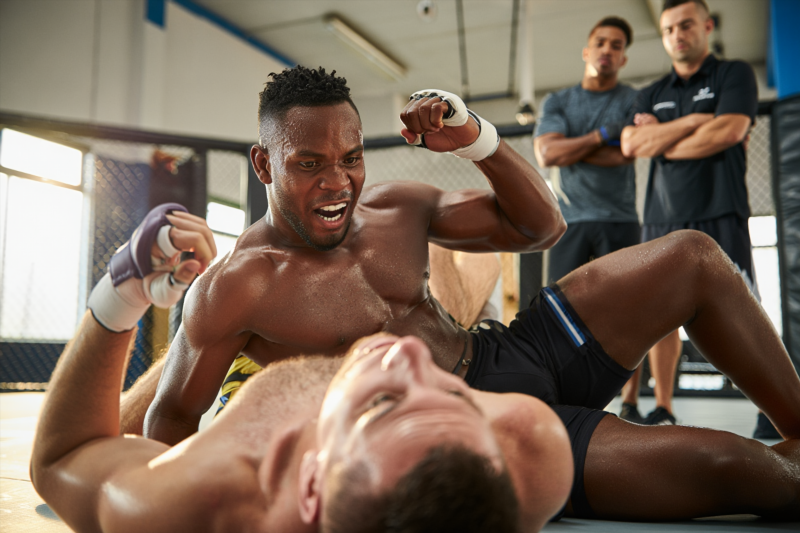
In the high-stakes arena of mixed martial arts (MMA), the ability to seamlessly transition from a takedown into ground and pound is a vital skill that can turn the tide of a fight. Successfully executing this transition not only elevates your positional control but also maximizes your striking effectiveness—crucial elements for securing victories. Whether you’re a fighter, coach, or serious student of combat sports, mastering the art of transitioning from takedown to ground and pound is key to elevating your overall MMA game.
This article explores effective techniques, detailed strategies, and psychological insights to refine your transition from takedown to ground and pound, ultimately enhancing your control and striking power for better fight outcomes.
Understanding the Importance of the Transition
Why is the Takedown to Ground and Pound Transition Critical?
- Control and Dominance: Establishing top position after a takedown allows you to dictate the pace and limit your opponent’s options.
- Striking Opportunity: Ground and pound maximizes striking opportunities—rendering your opponent defenseless and setting up submissions or finishers.
- Scoring Points: Effective ground-and-pound tactics significantly influence judges’ scoring, especially in close fights.
- Fight Ending Power: Proper transitions can lead to knockout or submission finishes, securing victory efficiently.
Key Techniques for Transitioning from Takedown to Ground and Pound
1. Secure a Strong Top Position
- Establish Side Control or Mount: The foundation for effective ground and pound begins with achieving dominant positioning.
- Maintain Posture: Keep your back straight and elbows tight, ensuring stability and readiness to strike or defend.
- Control Limbs: Use your weight and grips to control your opponent’s limbs, preventing escapes or sweeps.
2. Effective Pressure andWeight Distribution
- Apply Body Weight: Use your hips and upper body to keep constant pressure on your opponent, reducing their mobility.
- Balance and Base: Maintain a low, wide stance to avoid being swept or reversed.
3. Set Up the Ground and Pound
- Position Your Hands: Keep your hands ready for strikes, with elbows tucked for power and defense.
- Use Fainting or Posturing: Occasionally fake or adjust your posture to lure responses and create openings.
- Target Vulnerable Areas: Focus on head, ribs, or liver for effective strikes.
4. Transition Techniques
| Technique | Description | Best Use Cases |
| Posture Break & Punch | Lower your opponent’s head with your body and deliver strikes from a stable posture. | When opponent is sprawled or defensive. |
| Knee & Elbow Strikes | Use knees or elbows to control or soften your opponent, setting up other strikes. | When in side control or open guard. |
| Control and Ground & Pound Combo | Combine clinch control with quick strikes, then transition into full ground and pound. | When re-establishing control after a scramble. |
Psychological and Tactical Considerations
Maintaining Calm and Composure
- Stay Relaxed: Tension reduces your control; focus on steady breathing and measured movements.
- Anticipate Reactions: Read your opponent’s escapes or counters to adjust your stance accordingly.
Conditioning and Timing
- Proper Conditioning: Enhanced stamina and strength allow for sustained ground control and powerful strikes.
- Timing Transitions: Recognize when your opponent is vulnerable—during their posturing or after defensive attempts.
Common Mistakes and How to Avoid Them
| Mistake | How to Fix It |
| Lack of Control During Transition | Focus on maintaining positional dominance before throwing strikes. |
| Early Strikes Leading to Reversal | Wait for the right moment, secure position first, then strike. |
| Poor Posture | Keep your back straight and hips low for better control. |
| Neglecting Defense | Always keep your hands up and be ready for counters or submissions. |
Final Tips for Effective Transition to Ground and Pound
- Practice Repetition: Repeated drills improve timing, positioning, and control.
- Study UFC Fights: Analyze high-level fighters’ transitions to understand real-time tactics.
- Integrate Conditioning: Combine strength, endurance, and striking drills to execute transitions smoothly under pressure.
- Develop a Transition Game Plan: Prepare specific sequences for different opponent styles and situations.
Frequently Asked Questions (FAQs)
How can I improve my control after a takedown?
Focus on maintaining low hips, keeping your weight centered, and using your body to restrict your opponent’s movement while establishing dominant positions like mount or side control.
What resources can I use to learn advanced ground and pound techniques?
Consider online platforms specializing in MMA training, UFC fight analyses, and instructional videos that break down specific transitions and striking sequences. Training with a qualified coach provides personalized feedback to perfect your skills.
How important is psychological preparation in executing these transitions?
Extremely. Confidence, patience, and composure can make the difference between a rushed, ineffective attempt and a controlled, victorious transition. Mental drills and visualization can help reinforce decisive execution.
Mastering the transition from takedown to ground and pound is a game-changer in MMA. It requires a combination of technical skill, tactical awareness, physical conditioning, and mental discipline. By focusing on secure positioning, effective control, timely strikes, and psychological readiness, fighters can dominate opponents and elevate their overall performance.
Remember, the best fighters are not just skilled—they are strategic, adaptable, and relentless. Incorporate these techniques into your training regimen, study the best in the sport, and refine your transition game to achieve higher levels of control, striking power, and fight-winning potential.
Unlock your full potential in mixed martial arts—embrace the art of effective transition.