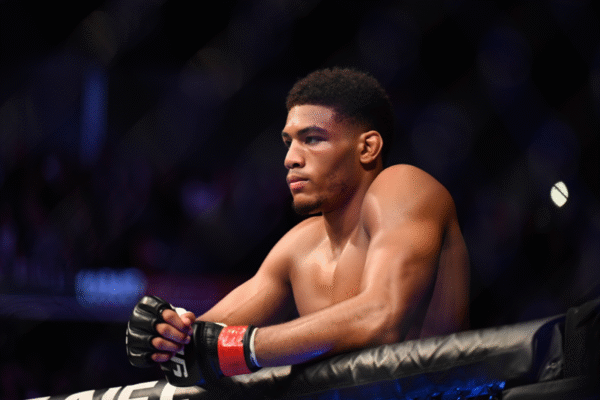
Developing a winning game plan in mixed martial arts (MMA) isn’t just about your own skills; it hinges on understanding and exploiting your opponent’s tendencies. At CombatRift, we believe that mastery begins with meticulous analysis—decoding opponent behaviors and turning insights into tactical advantages. This guide will walk you through the process of assessing opponent habits and crafting strategies that leverage their weaknesses, paving the way for victory.
Why Analyzing Opponent Tendencies Matters
In high-level MMA competition, every fighter has patterns—be they in striking, grappling, movement, or defense. Recognizing these habits allows you to anticipate their next move, disrupt their rhythm, and create openings for decisive attacks.
Key Benefits of Opponent Analysis:
- Enhanced prediction of their actions
- Targeted attack plan focusing on vulnerabilities
- Increased control over the fight’s tempo
- Boosted confidence through strategic preparedness
Step 1: Gathering Information on Opponent Tendencies
Begin by collecting all available data—video footage, fight records, and training insights.
Areas to Analyze:
| Component | What to Look For |
| Striking Patterns | Favorite combos, timing, preferred ranges |
| Grappling Tendencies | Common takedown setups, guard preferences, submission attempts |
| Movement Style | Footwork habits, stance changes, defensive reactions |
| Defense Mechanisms | How they block or evade strikes, counterattack triggers |
| Psychological Traits | Frustration points, decisiveness, rhythm disruptions |
Pro Tip: Use FightIQ analysis tools—like video breakdown software—to scrutinize patterns frame-by-frame.
Step 2: Identifying Weaknesses and Vulnerabilities
Not all habits are beneficial. By pinpointing weaknesses, you can target areas where the opponent is less prepared.
Common Opponent Weaknesses:
- Predictable striking sequences that can be countered
- Limited defensive options against certain attack angles
- Susceptibility to takedown chains or clinch work
- Fatigue points revealed in pacing and movement
Example: If your opponent tends to leave openings after throwing a combination, that’s a prime moment for a counterattack.
Step 3: Developing a Tactical Game Plan
Transform your analysis into a strategic blueprint—tailored to exploit opponent habits.
Key Components:
- Set the Fight’s Pace: Decide whether to press forward or lure them into a trap.
- Target Weaknesses: Use specific strikes or grappling setups to exploit vulnerabilities.
- Control Range and Distance: Engage where your opponent is least comfortable.
- Use Feints and Deception: Draw out predictable reactions for counters.
- Adjust Mid-Fight: Be flexible; adapt based on real-time reads of their responses.
Example Strategy:
Suppose your opponent favors aggressive striking but is slow in transitioning from offense to defense. You could focus on timed counterpunches, then initiate a clinch or takedown when they are committed.
Step 4: The Psychological Edge
Understanding opponent tendencies also provides a psychological advantage—knowing their comfort zones and frustrations allows you to undermine their confidence.
Psychological Tactics:
- Disrupt rhythm early to unnerve them
- Force predictable reactions with feints
- Maintain composure to capitalize on mistakes
Frequently Asked Questions
How deep should my opponent analysis be?
The more detailed, the better—covering technical patterns, mental traits, and physical tendencies. Use video analysis, sparring sessions, and coaching insights. However, prioritize quality over quantity; focus on impactful patterns that can be exploited.
How often should I reassess my opponent’s tendencies?
Reassessment is ongoing—review fight footage between rounds or in preparation for rematches. Adaptability in response to changes in their style during the fight is crucial for victory.
Can understanding tendencies backfire?
Over-reliance on patterns may make your strategy predictable. Balance analysis with unpredictability—vary your approaches to keep your opponent guessing.
Successfully building a game plan around opponent tendencies transforms raw data into tactical excellence. By diligently analyzing habits, identifying vulnerabilities, and designing adaptable strategies, you capitalize on their weaknesses while reinforcing your strengths. At CombatRift, we champion this analytical approach as the pathway to high-level mastery—where technique meets strategy and psychology fuels victory.
Take action now: Study your upcoming opponent’s tendencies, craft a tailored game plan, and enter the cage with confidence. Your victory begins with intelligent preparation.